
Categories
Common Seller Questions, Highlands County Real Estate News, Home Seller tips, Home Selling TipsPublished December 5, 2025
Natural Features, Flood Risk & Land Value in Highlands County, FL

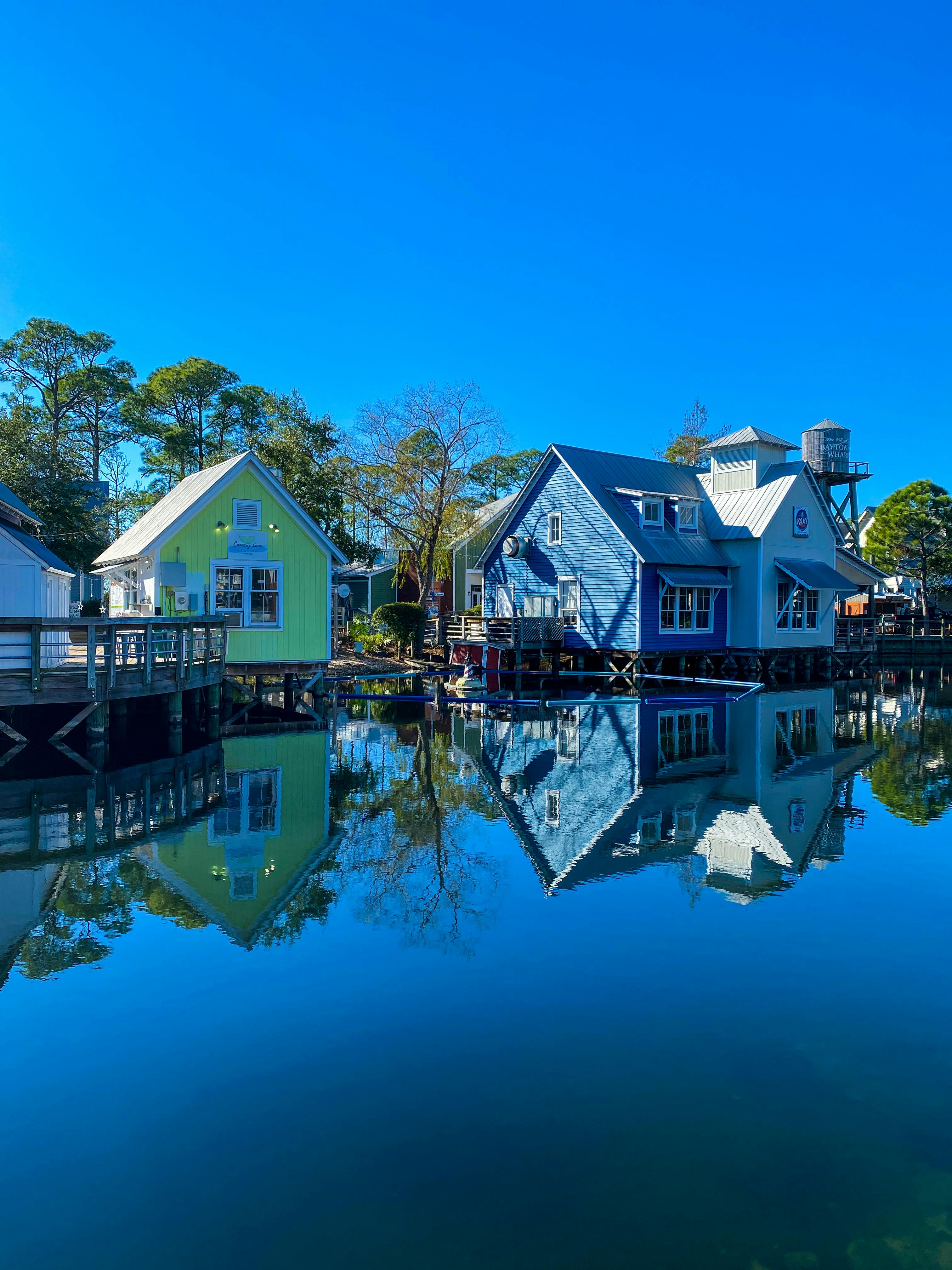
Natural Features, Flood Risk & Land Value in Highlands County, FL
What Buyers and Investors Should Know Before Buying Near Lakes, Wetlands, or Flood Zones
In a county like Highlands County, FL, where many properties are near lakes, wetlands or rural water-rich areas, natural features can add appeal — but also bring unique considerations. If you’re shopping for a home, lake-front lot, or vacant land here, it’s vital to understand how water, wetlands, flood zones and environmental factors can impact value, insurance costs, future resale, and livability.
Why Natural Features Matter
- Aesthetic & lifestyle appeal: Properties close to lakes, wetlands or with water views tend to attract buyers seeking recreation, tranquility, and a connection to nature. Water access or views can significantly increase demand for a property. InterNACHI+1
- Insurance & risk considerations: Many properties near water or low-lying areas may fall within a flood zone according to Federal Emergency Management Agency (FEMA). Flood-zone classification affects whether flood insurance is required, and can raise insurance costs or financing requirements. Best Lawyers+1
- Resale and market value impact: Properties in high-risk flood or hazard zones tend to have reduced resale value and may be harder to sell, compared to similar properties in safer zones. LandApp+1
- Environmental & regulatory constraints: Wetlands or protected areas may come with restrictions on building or development — affecting what you can build or how you can use the land. Unique Places to Save+1
What to Check When Considering a Property Near Water
✅ Flood Zone Status & Flood Maps
- Use FEMA’s flood maps or local county records to determine if the property is in a “special flood hazard area.” FEMA+1
- Understand that even areas outside high-risk zones may still face flood risk — due to heavy rainfall or storms. Find Homes on the Space Coast+1
✅ Use & Development Restrictions
- If the property touches wetlands or protected natural areas, check if there are restrictions on building, clearing, or modifying land. Wetlands often have environmental protections or special permitting requirements. Sarasota Water Atlas+1
- Confirm soil types, drainage, elevation, and flood-plain information to know whether a buildable home or structure is feasible.
✅ Insurance & Carrying Costs
- Factor in possible higher insurance costs, or mandatory flood insurance depending on zone and lender requirements. Best Lawyers+1
- Consider long-term risks including flooding, water-related damage, and environmental changes that could impact value or safety.
✅ Resale Value & Market Demand
- Understand buyer demand: some buyers will pay a premium for water access or views, but risk-aware buyers may avoid high-flood areas. LandApp+1
- Transparency matters: full disclosure about flood risk or wetland status helps manage buyer expectations — and protects against future legal/insurance surprises.
When Water & Nature Add Value — and When They’re a Risk
| Situation / Property Type |
Potential Benefit |
Potential Risk / Drawback |
| Lakefront or lake-view home |
Scenic views, higher demand, lifestyle value |
Flood risk, higher insurance, potential strict regulations |
| Near wetlands or natural water features |
Privacy, natural surroundings, ecosystem value |
Building restrictions, environmental regulation, drainage/flooding concerns |
| Vacant rural lot near water |
Lower purchase price, potential for water-side build |
Permitting difficulty, soil/flood risk, higher maintenance/insurance |
| Property in low-risk zone but near water |
Balanced value + lower risk |
May still need flood-proofing or monitoring for changing weather/storm patterns |
What Buyers, Homeowners & Investors Should Do Before Buying
- Obtain flood-zone and elevation data — check maps, request elevation certificates if needed.
- Request past flood history or water-damage records for the property (especially for resale homes).
- Check soil, drainage & environmental reports — especially for vacant land or lake-front lots.
- Calculate full carrying cost — including flood insurance, possible mitigation costs (elevated foundations, drainage, flood-proofing).
- Plan for worst case — severe storms, water-level changes, local regulation shifts due to climate or environmental laws.
- Be transparent to future buyers or renters — disclosure builds trust and protects legal standing.
Final Thoughts
Natural features like lakes, wetlands, or open water can add tremendous value — but they also bring complexity, cost, and risk. In Highlands County, where water and nature are part of the local landscape, it pays to buy with eyes wide open. A property can be a peaceful waterside retreat — or a financial and maintenance burden — depending on how well you assess and manage the risks.
If you’re evaluating a property near water, I’d be happy to help you research flood-zone status, insurance implications, and long-term value potential. Reach out anytime.

Matt Nelson
Broker/Team Leader | Keller Williams Highlands County
or another way